
Think about your favorite spot on the sofa. Maybe it’s the corner cushion where you curl up with coffee, or the chair by the window where your dog likes to nap. Over time, those everyday moments leave traces, like body oils, pet dander, dust, and crumbs, that slowly work their way into the fibers. The fabric begins to look duller, the cushions feel less inviting, and sometimes there’s even a faint odor you can’t quite place.
That’s when you need the help of a professional upholstery cleaning service. A qualified professional can lift out hidden soils, restore comfort, remove allergens, and dramatically extend the lifespan of your furniture. With the right care, your upholstery continues to look and feel its best, so your living room remains a space you love to live in.
This guide explains what professional cleaning involves, the methods used for different fabrics, when to schedule service, what happens if you wait too long, and how to prepare and care for your furniture before and after cleaning.
When you’re ready, contact D.A. Burns to request a quote or schedule upholstery cleaning.

What Professional Upholstery Cleaning Includes
When a professional arrives at your home, the process begins long before any cleaning solution touches your fabric. Upholstery cleaning is a careful, step-by-step service designed to protect your furniture as much as it is to clean it.
- Fabric identification and testing come first. A technician determines whether your sofa is microfiber, wool, silk, rayon/viscose, leather, or a performance blend. They also test for colorfastness to ensure dyes won’t bleed, and they determine whether it is safe to use water or not. Skipping this step is one of the biggest mistakes with DIY cleaning products.
- Next, dry soil removal pulls out the grit and dust that act like sandpaper against fibers. You may not see it, but this soil is the leading cause of abrasion wear.
- Pre-treatment follows, with specialized solutions applied to body oils, food spills, or darkened armrests.
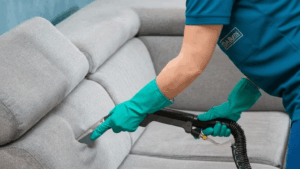
- The controlled cleaning process comes next. Depending on the textile, that may mean hot water extraction, low-moisture foam, or solvent cleaning. The professional’s goal is always the same: deep cleaning without over-wetting or damage.
- Once soils are released, a rinse and extraction step flushes away residues, leaving the fabric fresh and neutral, not sticky or stiff.
- Specialty treatments may be applied for stubborn stains or pet odors.
- Finally, the upholstery is groomed and dried, often with the option to add a fabric protector that repels future spills.
For clients with investment pieces or delicate designer textiles, this process brings peace of mind: every detail has been considered to protect the fabric as if it were the technician’s own.
Methods You’ll Hear About (and When They’re Best)
Not every fabric responds the same way to cleaning. That’s why choosing a professional upholstery cleaner matters. Method selection is as important as the cleaning itself. Pro tip: All of these methods can be safely done at home—furniture cleaning works the same way, no matter where it’s performed.
- Hot Water Extraction (controlled moisture): Best for durable, colorfast fabrics such as microfiber sectionals or sturdy cotton blends. Professionals carefully manage water temperature and moisture levels to avoid over-wetting while extracting deep soil.
- Low-Moisture Foam or Shampoo: Ideal for fabrics that can’t handle much water. Foam suspends soil on the surface, then gets gently removed, making it a smart choice for tightly woven chairs or faster-drying needs.
- Solvent Cleaning: Chosen for delicate textiles like silk, linen, or rayon/viscose that may shrink or brown when exposed to water. Solvent-based cleaning minimizes those risks while safely removing soil. many upholstery cleaners may not be comfortable using this method, but a true professional (like us) can handle it easily.
- Leather Cleaning and Conditioning: An entirely different process. Aniline, semi-aniline, or pigmented leathers need pH-appropriate cleansers to remove soils, followed by conditioning to restore suppleness and prevent cracking.
- Specialty Fiber Care: Fabrics such as wool, silk, or high-end performance blends require advanced expertise. For example, rayon has a tendency to distort if scrubbed, while silk may experience dye bleed without precise pH control.
Knowing the right method is half the battle. It’s the difference between a sofa that looks refreshed and one that’s permanently distorted.
How Often Should You Schedule Upholstery Cleaning?
The right schedule for upholstery cleaning depends on how your household uses its furniture. For most families, a professional cleaning every 12 to 24 months is enough to keep pieces fresh. But for high-use items, like the family sofa, sectional, or favorite recliner, more frequent service is often necessary, sometimes as often as every six to twelve months.
Homes with young children, pets, or light-colored fabrics usually benefit from shorter intervals too, since spots, spills, and oils build up quickly. Seattle’s damp climate can also speed the accumulation of dust, pollen, and even mold spores, making regular upholstery cleaning especially important for local households.
The key is not to wait until your furniture looks dirty; by the time upholstery appears dull or discolored, soils have already worked their way into the fibers. If you notice darkened areas on armrests or headrests, detect a stale odor, or feel cushions losing their softness, it’s likely time to call in a professional. Booking a service before these signs become severe helps preserve both appearance and fabric strength.
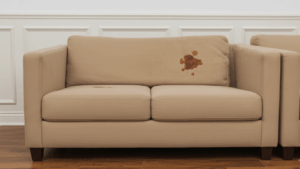
Common Reasons Clients Schedule Professional Upholstery Cleaning
Every client has their own reason for calling a professional upholstery cleaner, but the situations are surprisingly universal:
- Refresh after heavy use: A family in Queen Anne recently booked D.A. Burns after realizing their sectional had absorbed a year of movie nights, snack spills, and pet naps. A deep clean restored the cushions and lifted the faint odor no DIY spray could fix.
- Pet accidents: Even small “mistakes” leave behind bacteria and odor that household cleaners can’t fully neutralize. Professional enzyme treatments go deeper, protecting both fabric and health.
- Pre-holiday prep: Hosting Thanksgiving or a holiday party? Freshly cleaned upholstery makes the whole living room feel more inviting.
- Post-remodel dust: After renovations, dust doesn’t just coat surfaces, it settles deep into furniture. Cleaning restores a healthy, dust-free home.
- Protecting investment pieces: Interior designers and design-conscious homeowners schedule regular cleanings to protect textiles like linen, silk, or designer blends.
These real-life scenarios show why upholstery cleaning isn’t just cosmetic. It’s about comfort, health, and protecting your investment.
Risks of Waiting Too Long (or Using the Wrong Approach)
Putting off professional upholstery cleaning might seem harmless, but over time, it can cause lasting damage. Soils that sit too long bond to fibers, leading to permanent staining and color changes. Dust and grit act like fine sandpaper, wearing down delicate threads every time someone sits on the furniture. Moisture brings its own challenges, especially if DIY cleaners or rental machines over-wet the fabric, causing shrinkage, browning, or unsightly watermarking on sensitive textiles.
Certain fibers such as silk, linen, or rayon, are particularly vulnerable; without proper chemistry, their dyes may migrate or bleed, leaving irreversible marks. Odors are another concern: spills or pet accidents that aren’t treated promptly often become embedded in the fabric, creating smells that no surface spray can eliminate.
Choosing the wrong method or delaying service too long doesn’t just affect how furniture looks in the short term, it can shorten its life significantly. Professional upholstery cleaning prevents these problems by addressing hidden soils before they cause permanent damage.
What Affects the Cost of Professional Upholstery Cleaning?
The price of upholstery cleaning services isn’t one-size-fits-all, it depends on several factors that influence the time, skill, and treatments required. The first is the type and size of furniture. A small accent chair naturally takes less time and solution than a large sectional sofa with multiple cushions, so the cost scales accordingly.
The fabric itself also plays a major role. Durable, colorfast materials like microfiber are generally easier and faster to clean, while delicate fibers such as silk, mohair, linen, or rayon/viscose require special testing, chemistry, and slower, more controlled cleaning methods. Leather pieces add another layer of care, since they must be cleaned and conditioned to restore suppleness and sheen.
Another factor is the condition of the upholstery. Light, routine maintenance cleanings are less involved than tackling years of buildup, set-in stains, or heavy pet soils. Specialty treatments, like odor neutralization, enzyme applications for pet accidents, or adding a protective fabric treatment afterward, also influence the final cost. Finally, access and logistics can make a difference. A technician can complete the job more efficiently when furniture is easy to reach and prepared in advance, which helps keep service time and expense down.
While it may be tempting to compare professional cleaning with a DIY rental machine or over-the-counter spray, the value is in the results. Professional service not only achieves a deeper, safer clean but also helps extend the lifespan of your furniture, often delaying the need to replace a piece altogether. In that sense, professional upholstery cleaning is less of an expense and more of an investment in keeping your home comfortable and welcoming.
Preparation and Aftercare Tips
Preparing for Your Appointment
Getting ready for a professional upholstery cleaning appointment is simple, and most of the work is handled by the technicians themselves. Homeowners are usually asked to clear personal belongings, such as pillows, throws, or toys, from the furniture so every surface is accessible. Small décor items or breakables that sit near the furniture should also be moved to a safe spot.
From there, your main task is communication: point out any areas of concern, such as stubborn spots, pet accidents, or delicate fabrics, so your technician can give those areas extra attention. If access is tight, making sure the cleaning crew has a clear path to the furniture helps them work more efficiently. Once these small steps are complete, you can relax knowing your furniture is in expert hands.
Aftercare for Best Results
Once your upholstery has been professionally cleaned, a little care goes a long way in maintaining the results. The most important step is to allow the furniture to dry fully before resuming normal use; this helps the fabric settle properly and prevents new soils from bonding to damp fibers. During this time, it’s best to keep children and pets off the freshly cleaned areas.
After the initial drying period, regular upkeep is simple: vacuuming your furniture once a week removes surface dust and keeps fabrics fresher between professional visits. Rotating and flipping cushions can also help distribute wear evenly, keeping the upholstery looking balanced. And when spills happen, blotting gently with a clean, absorbent cloth is always better than scrubbing, which can push soils deeper or damage fibers.
For added protection, applying a fabric protector after cleaning creates a barrier that repels liquids and helps extend the time between cleanings. These small steps ensure your upholstery stays clean, comfortable, and inviting for longer.
Professional Upholstery Cleaning Protects Your Investment
Your furniture is part of your everyday life. It’s where your kids climb up for story time, where your dog curls up by your side, and where guests settle in for conversation. Keeping it clean and comfortable isn’t just about appearances, it’s about extending the life of something central to your home.
Professional upholstery cleaning services from D.A. Burns protect that investment. With 90 years of expertise, a reputation trusted by Seattle homeowners and design professionals alike, and a dedication to careful, thorough service, D.A. Burns helps your furniture look and feel its very best.
Contact D.A. Burns today to schedule your upholstery cleaning or request a quote. Because when your furniture looks fresh, your whole home feels more welcoming.